Guatemala Contemporary Weaving
Translating a painting into a real piece of Guatemalan backstrap weaving, and a business concept built around bridging traditional craftsmen with contemporary designers.
Guatemalan textiles like the huipil and the tzute are woven on a backstrap loom: a portable setup with one end tied to a fixed point and the other tied around the weaver's waist, so she controls the tension with her own body instead of a fixed frame. It's a technique passed down directly, woman to woman, and it's still how most of it gets made today.
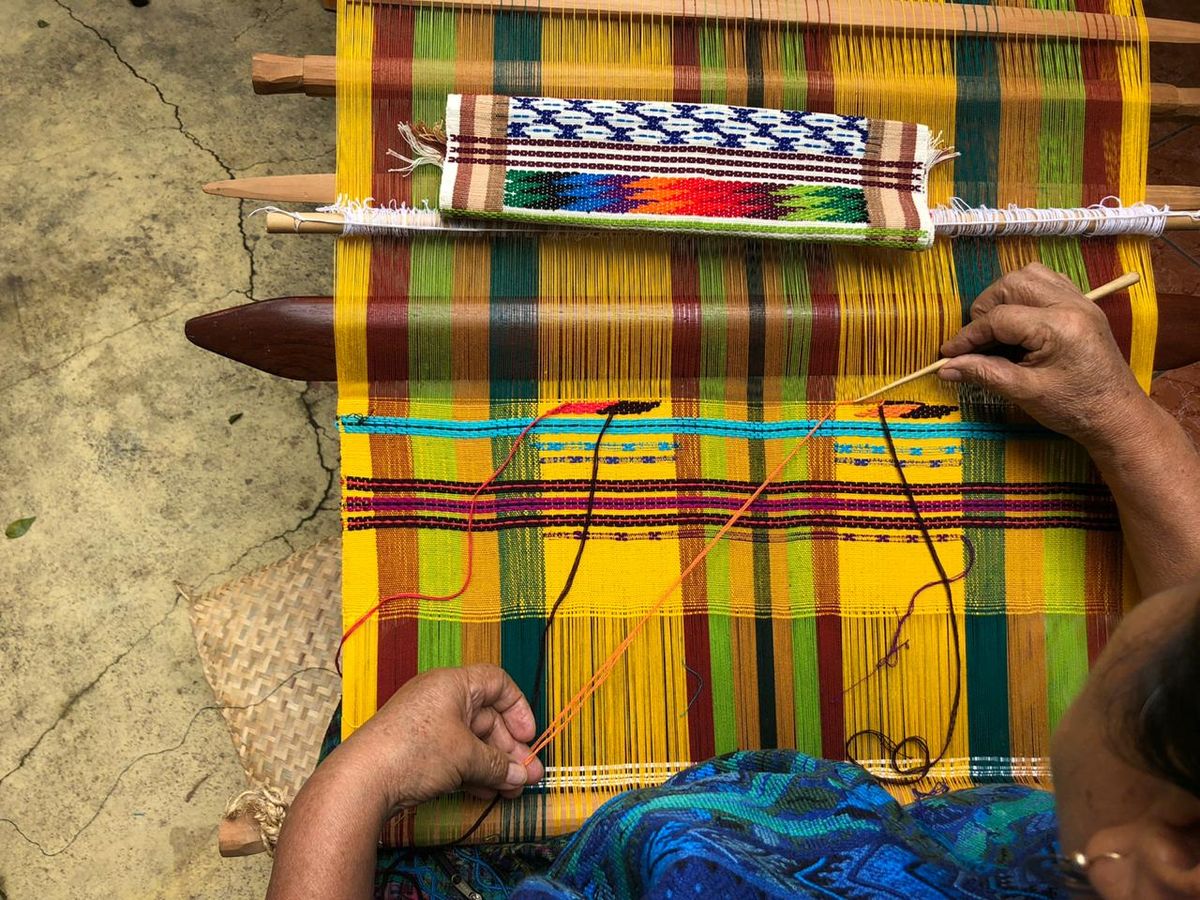 A piece in progress on the loom, the weft being worked row by row
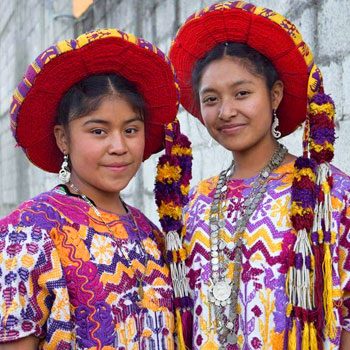 Huipiles worn today, the pattern and color work that carries the tradition
Fewer people are learning to weave. Younger generations are picking up jeans and t-shirts over huipiles, and traditional patterns are eroding under the pull of mass fashion. There's also been little room for the craft to innovate on its own terms, which keeps shrinking its market instead of growing it. Most weavers only reach the local market and tourists, with no real path into an international one.
A handful of brands are already doing something similar elsewhere, worth knowing before building anything new. Jan Kath is the closest model: a German studio that has hand-knotted rugs made in Nepal and Pakistan, by people who've made traditional rugs for generations, but designs contemporary patterns for them to make, things like their cloud and sky designs, instead of only traditional motifs. Same idea I'm after: the quality and skill of a traditional technique, paired with a design language that's actually current.
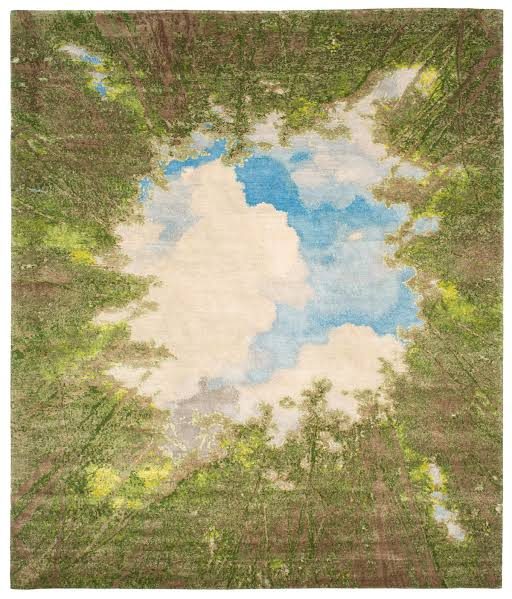
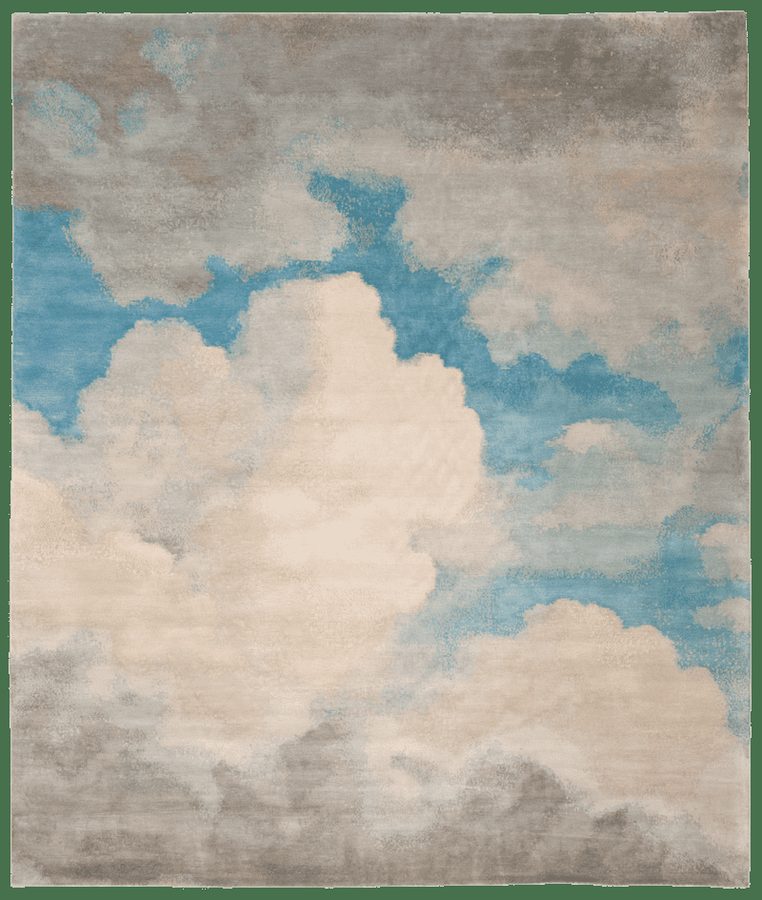
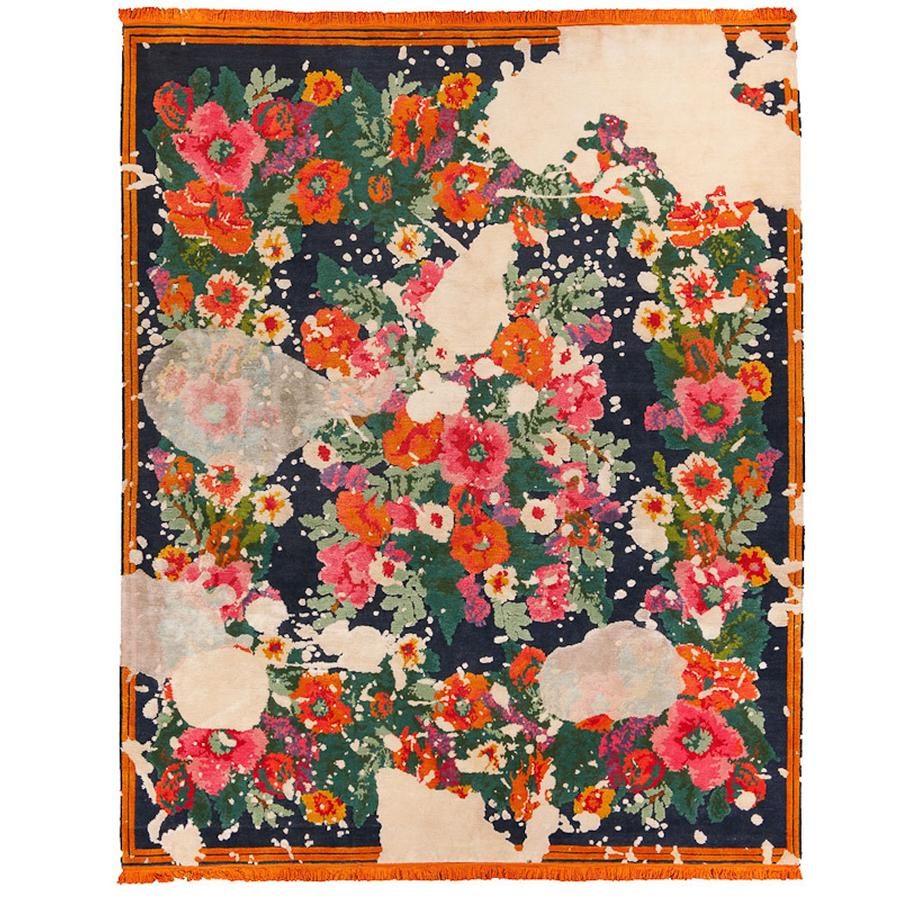
Jan Kath
Sabahar
High-quality handwoven textiles, focused on natural fibers and sustainable practice.
Mdingi
Ethical, sustainable fashion brand built on handcrafted garments.
Gone Rural
Rural women weaving home accessories from natural materials.
The idea I built around this is Threadly, "timeless threads": a brand that connects traditional Guatemalan weavers directly with contemporary designers instead of leaving each side working alone. Designers get access to a real technique and a texture they can't fake digitally; weavers get steadier work and fair pay instead of depending only on tourism.
The plan leans on Cojolya, a real fair-trade cooperative of Mayan women weavers based in Santiago Atitlán, as the source of skilled artisans, though no partnership was ever actually put in place, this stayed at the concept stage.
Cultural Preservation
Keeping traditional weaving techniques alive, with artisans paid fairly for it.
Innovation
Modern design and digital tools applied to a traditional technique, not replacing it.
Ethical & Sustainable Practices
Fair trade principles and eco-friendly materials built in from the start.

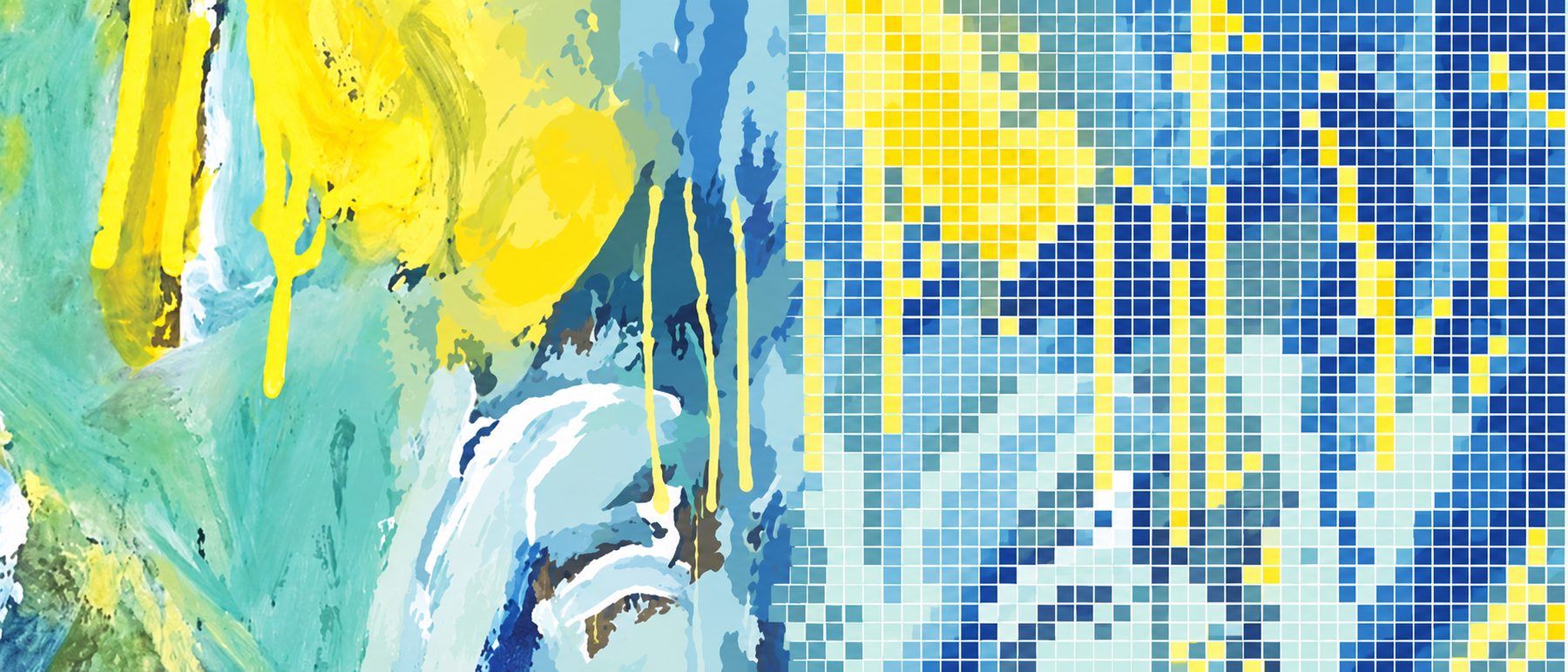
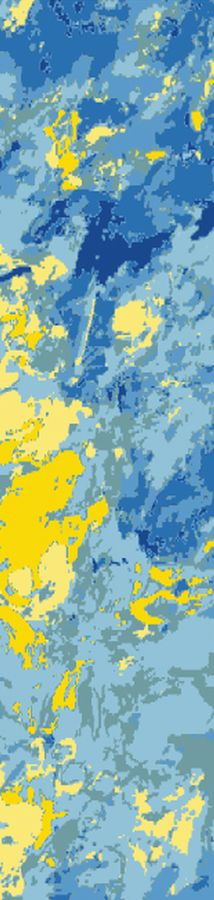
The clearest proof of concept I built was translating an actual painting into a woven piece, working through the real constraints of backstrap weaving instead of just describing them on paper. The source was "Contratulations, you are alive." by Raynar Rogers, a vibrant blue-and-yellow abstract piece that reads, to me, like the chaos of everyday life.
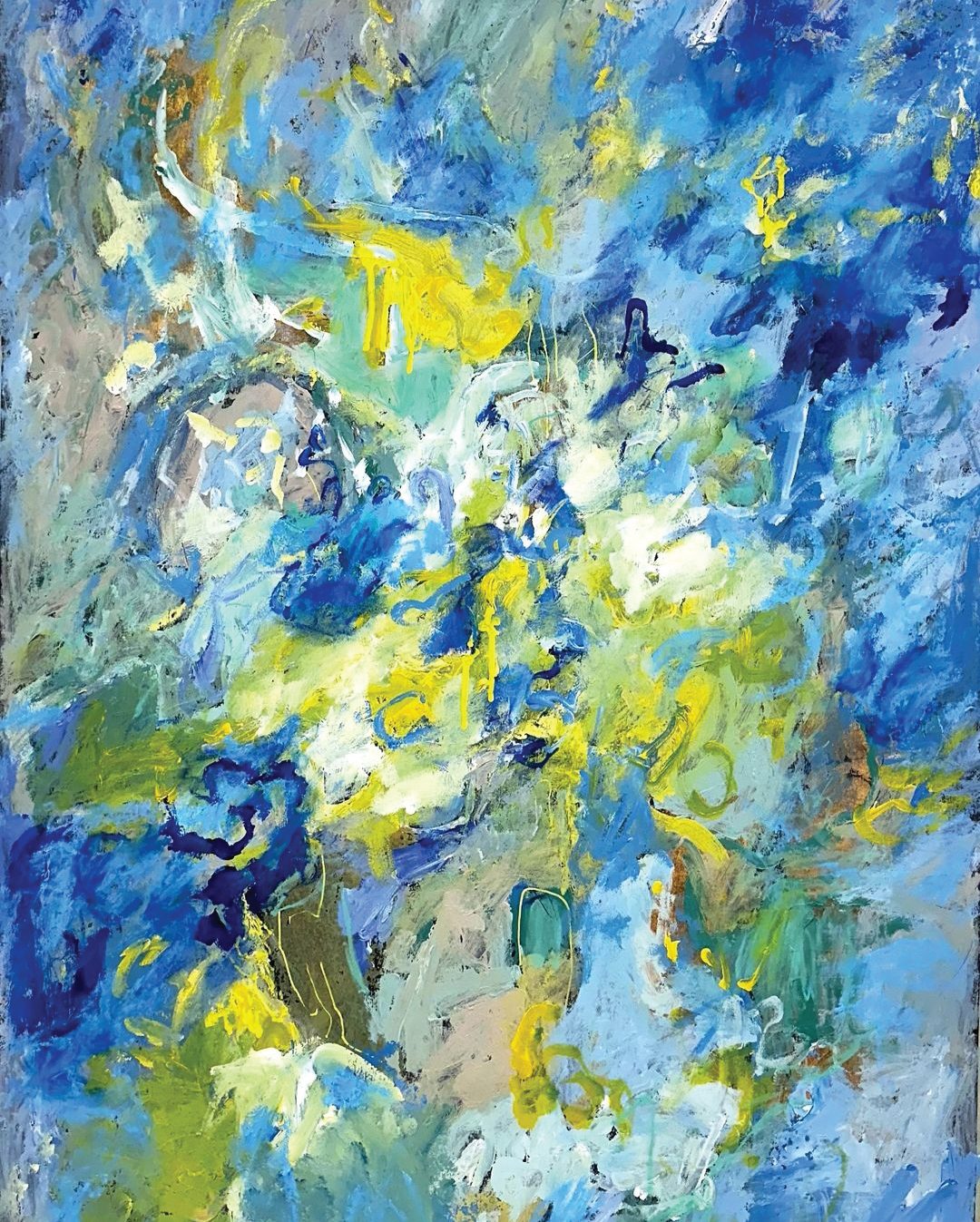 The original painting
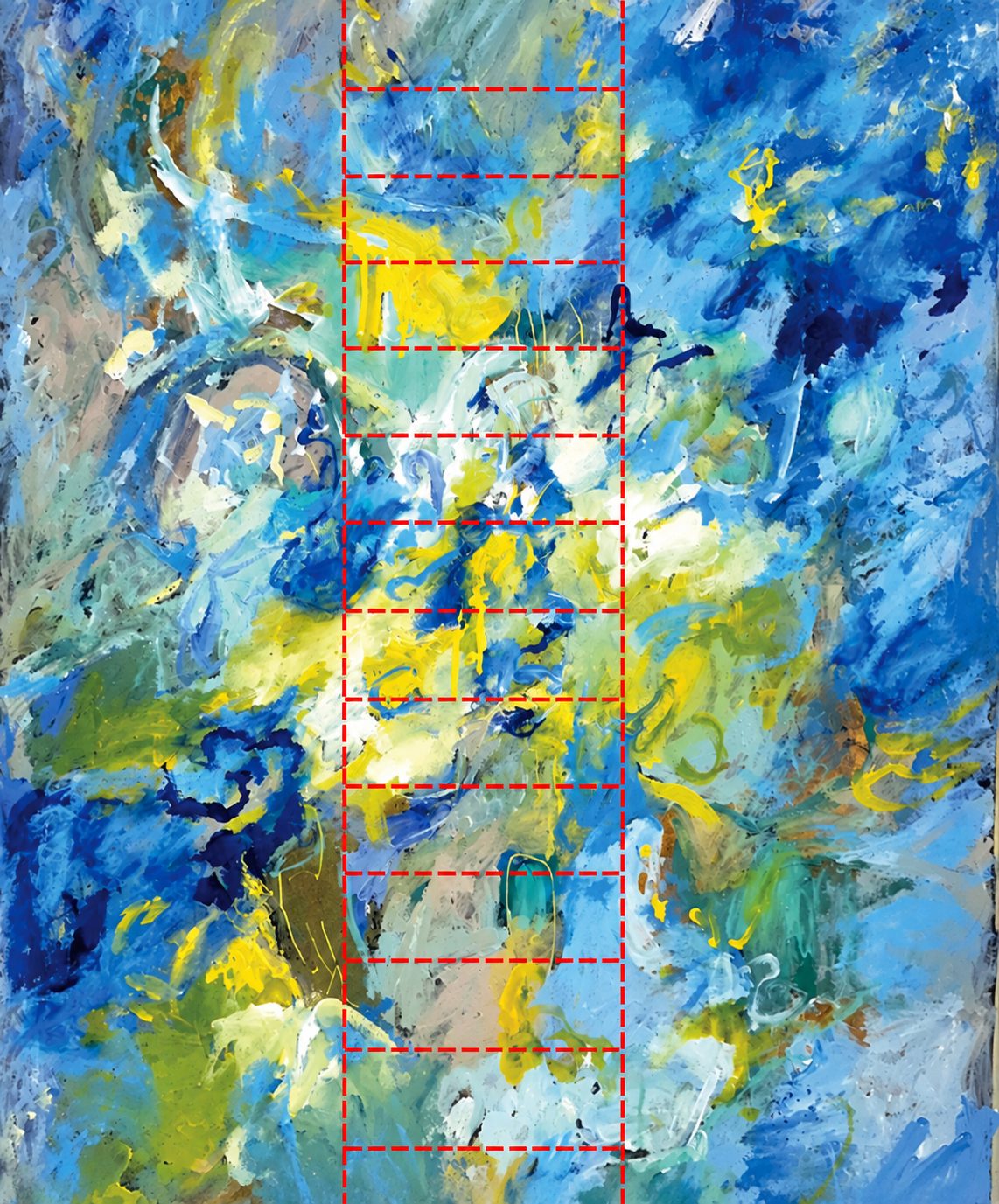 The single strip selected to weave
Only a narrow strip of the painting could actually be woven, not the whole piece: the cut is that width because of real physical limits, the width of the textile itself and the number of threads the loom could actually hold.
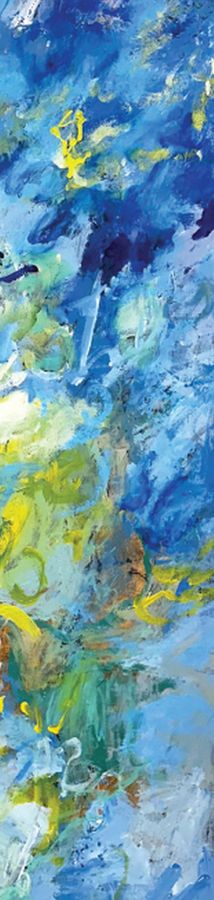
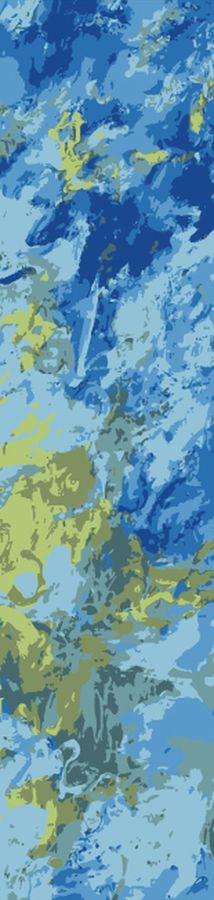
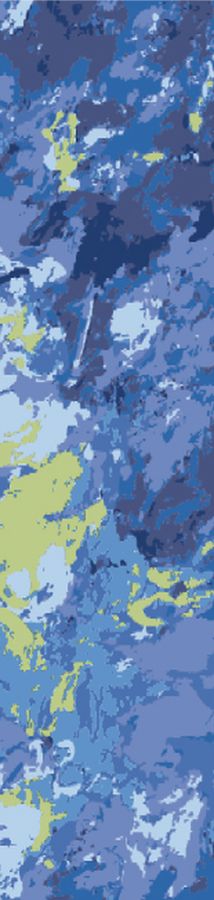
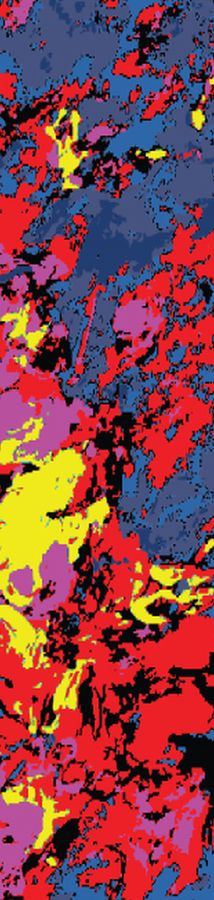
The painting was picked on purpose: the idea was art that works beyond sight, textured enough to be read by touch as well as seen, so someone without vision could still experience it.
To actually hand this to a weaver, the full design gets split into 12 sections, each sized to fit on a normal A4 sheet, printed and used as a page-by-page guide instead of one unreadable grid.
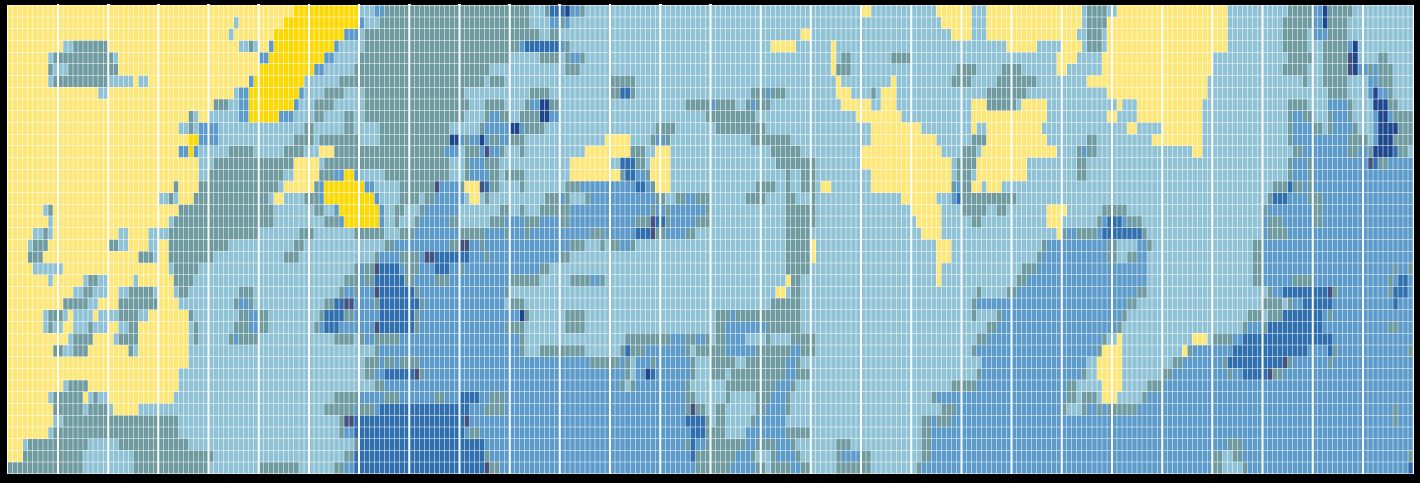 Divided into 12, gridded to the loom's actual thread count
This is the actual product: a page-by-page pattern chart, colors already assigned, that a weaver can follow row by row without needing to interpret the painting herself.
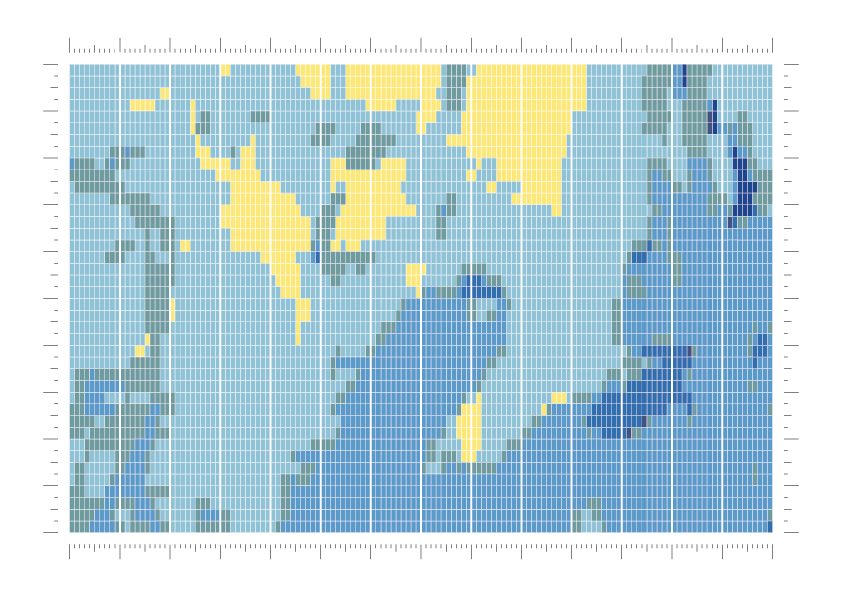
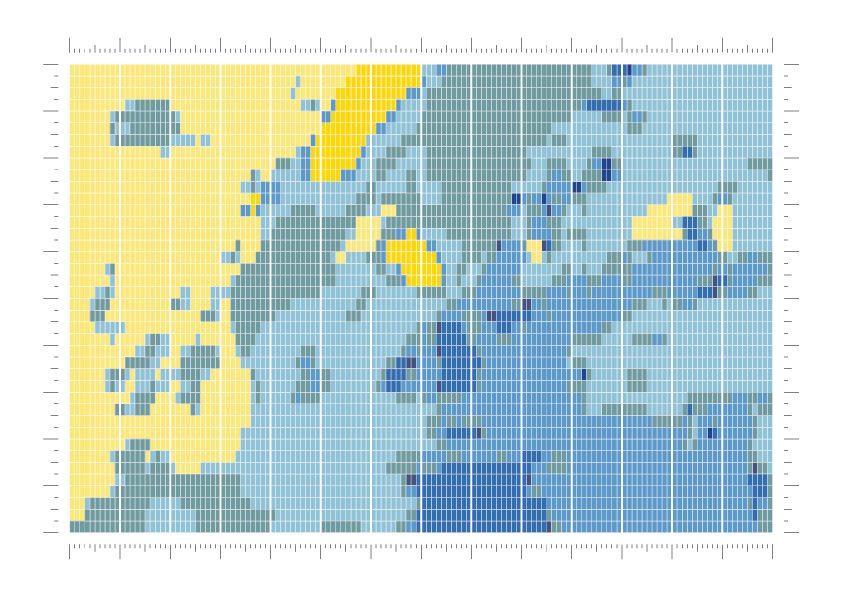
I set up and wove the piece myself, from warping the loom to following my own guide row by row, to actually understand what I'd be asking an artisan to do.
The project itself is finished. The goal was to understand backstrap weaving well enough to translate a piece of contemporary art into it myself, then document that process clearly enough that a traditional weaver could pick it up and follow it: the knot guide is that document, and it's built, tested, and complete. Handing the guide to an artisan and having her weave it is a real next step, but it's an extension of a finished project, not something missing from it.
Threadly, the business concept, is a separate piece of this: a real go-to-market plan I designed as part of the MA module, not a launched company. It never operated, no sales, no signed partnership with Cojolya, no fair-trade certification obtained, and I'm showing it as exactly what it is, a real attempt at thinking through how a craft-based idea could work as a business.