Búho GT
A small hardwood butcher block business, designed, made, and sold directly, from a one-off personal project into real production.
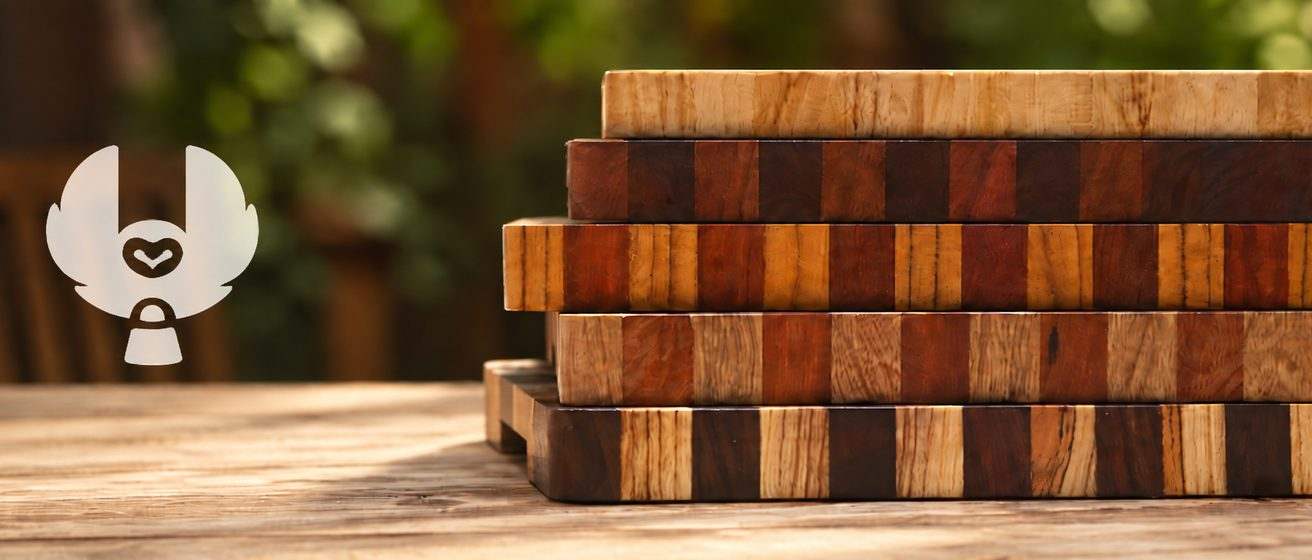
Búho GT started as something I made for myself, a butcher block cut and finished in the university shop, no business plan behind it. People who saw it started asking if I could make them one too, and once enough people had asked, I started selling them.
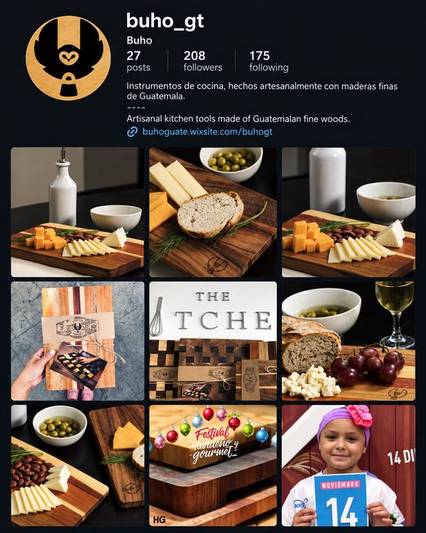
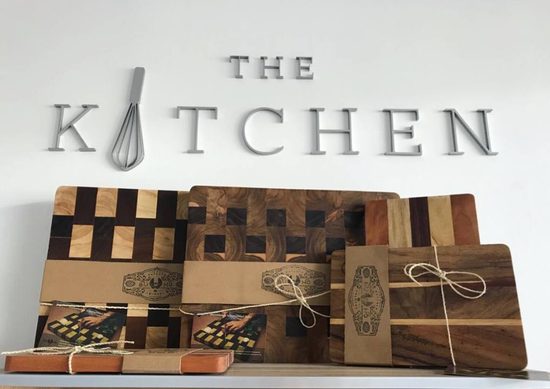
Most of it happened through word of mouth. We showed up at a handful of local markets, which is where a lot of people first saw the blocks in person, and ran it alongside an Instagram and Facebook page. A few local shops carried some on consignment and sold a couple through there too.
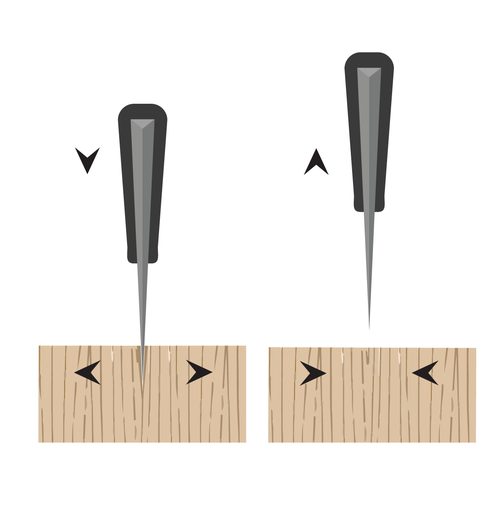
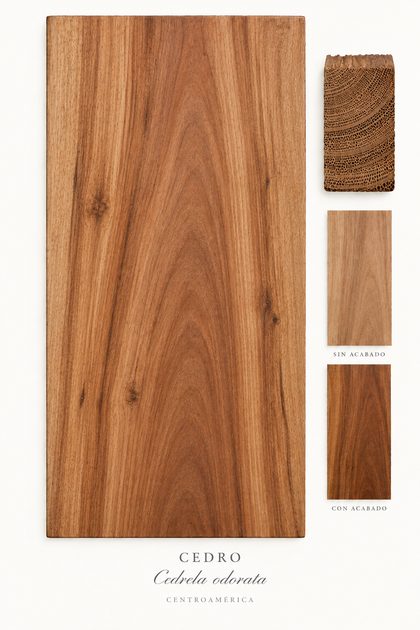
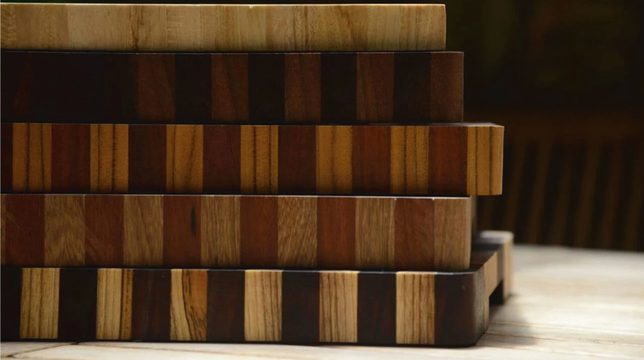
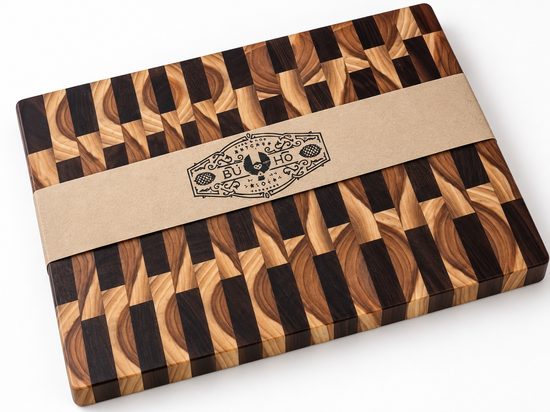
Before settling on a design, I looked into different ways to lay out the wood and landed on end grain, the same construction real butcher blocks use: the fibers face up instead of running along the surface, so a knife cuts between them instead of across them, which is easier on both the blade and the board. End grain also happens to show off the wood itself better, the grain pattern and color of each species read clearer than they would on a flat-grain surface, which mattered since part of the idea was putting Guatemalan hardwoods on display.
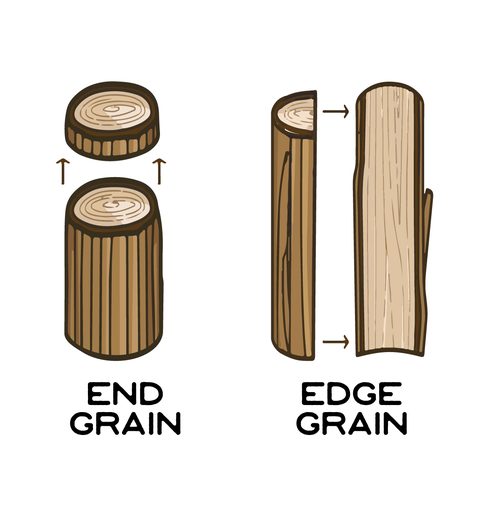
The original product was a proper butcher block, hardwood, built and finished with real attention to the grain. Later I added a simpler second product, a basic cheese board that skipped the more technical grain-matching, just made to look good, priced lower. Having two tiers meant people could buy in at whatever level they wanted to spend.
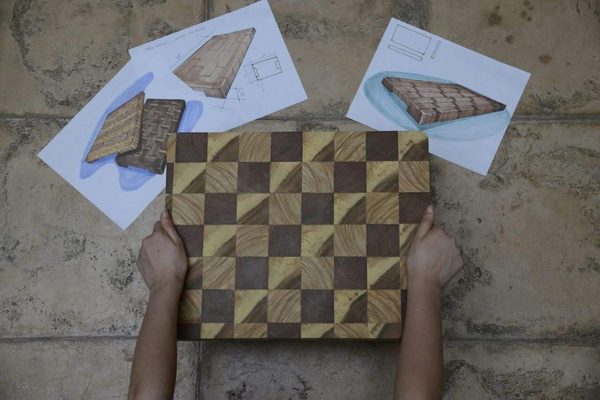
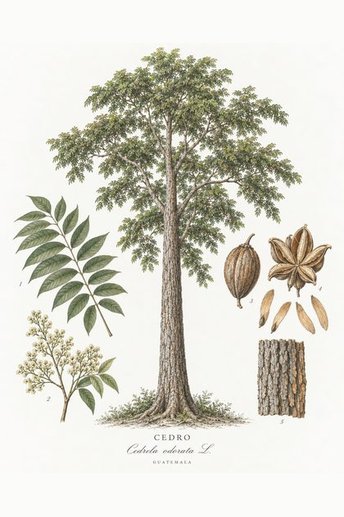
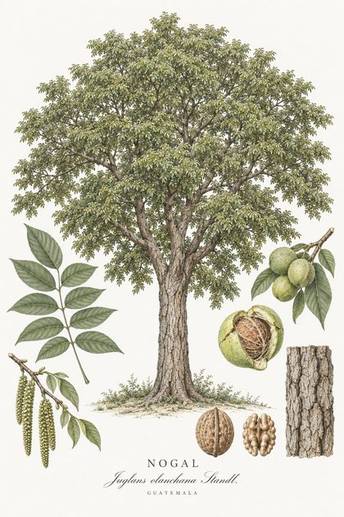
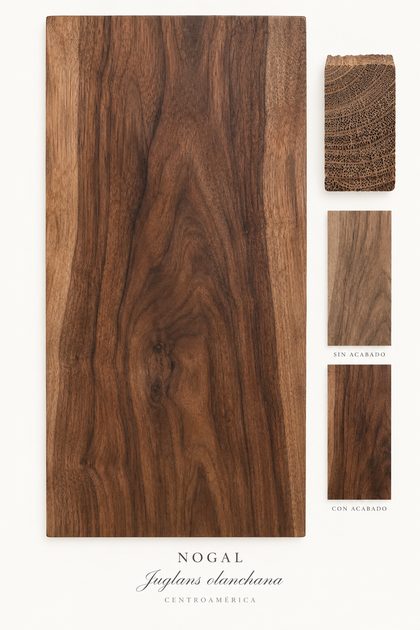
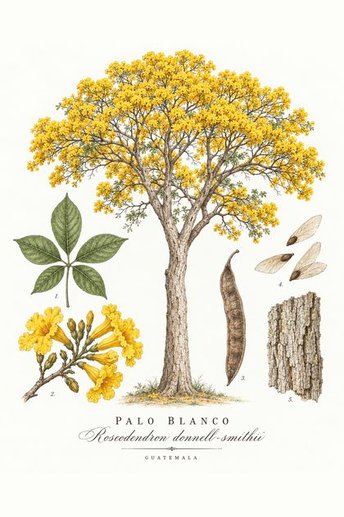
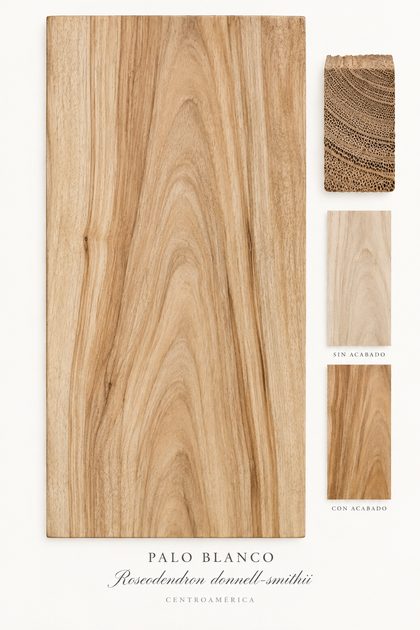
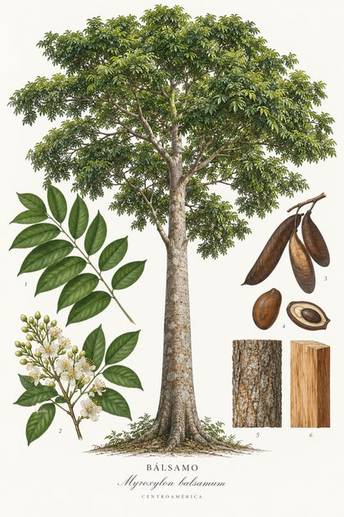
Every board uses real Guatemalan hardwoods, and I researched the species closely enough to design a set of postcards for them, one per species: a scientific-style botanical illustration on the front, the finished, worked wood on the back. Click a card to flip it.
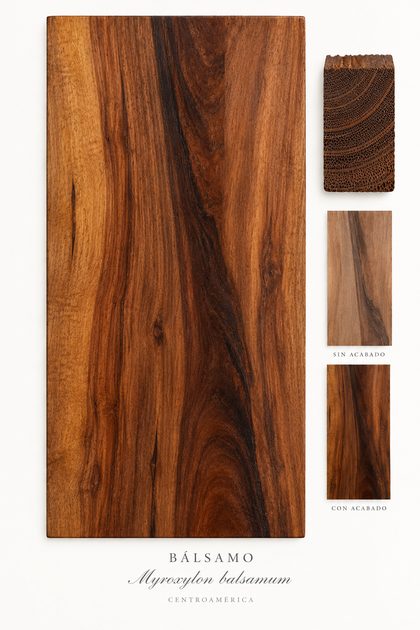
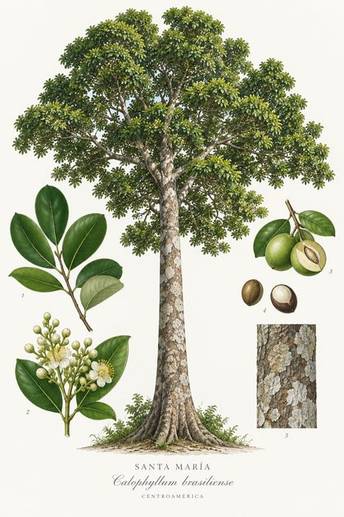
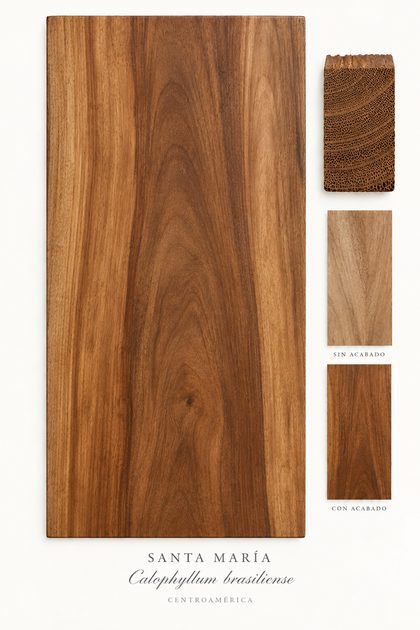
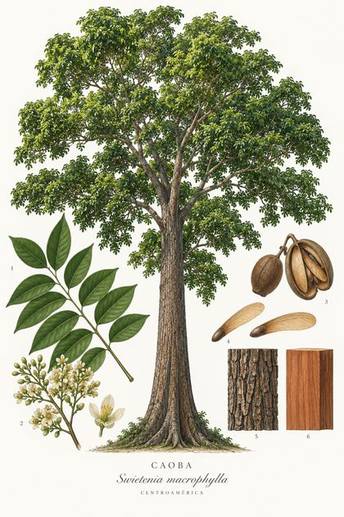
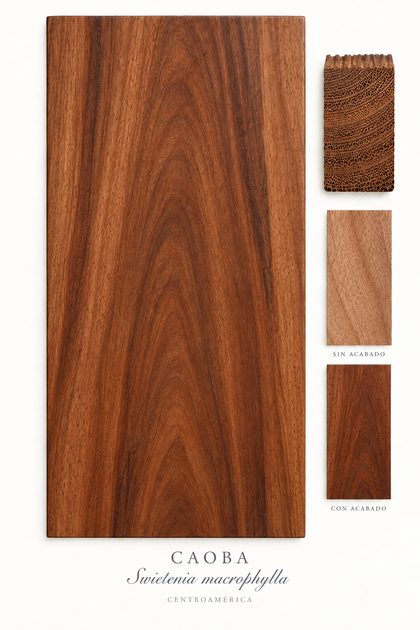
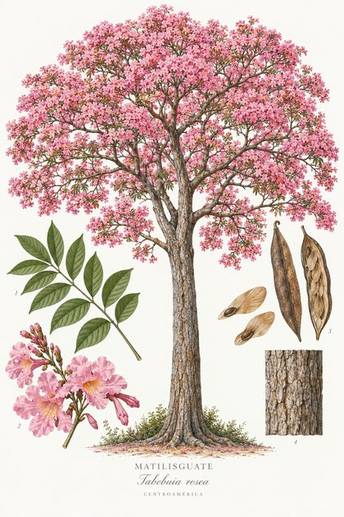
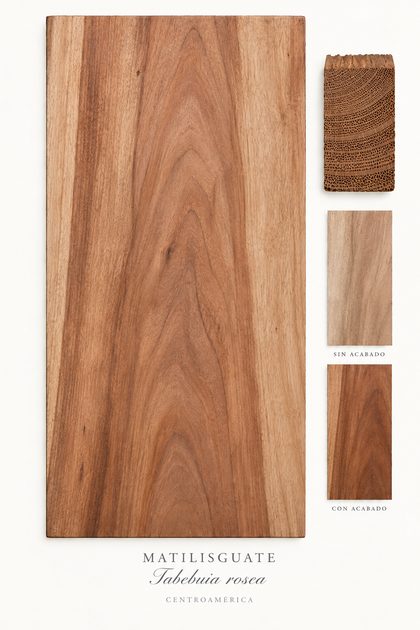
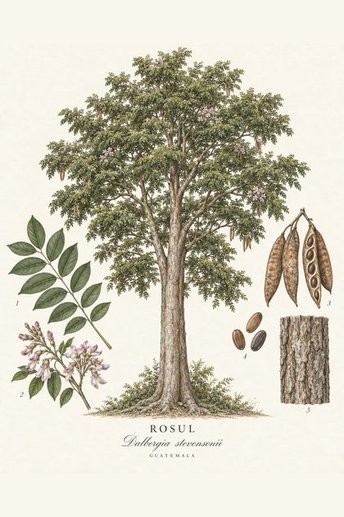
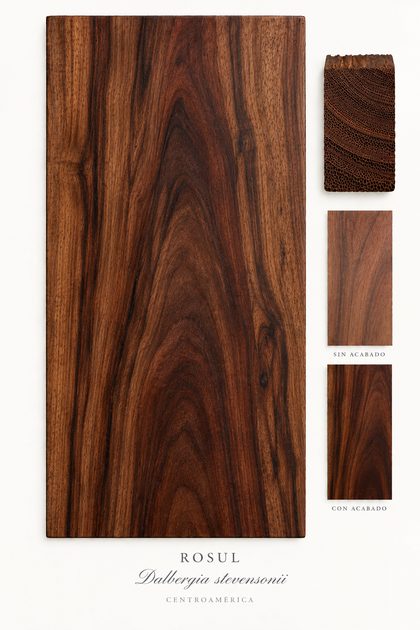
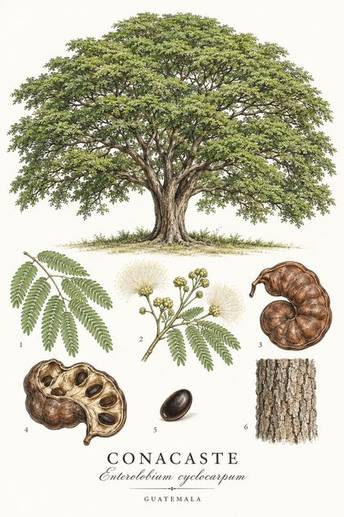
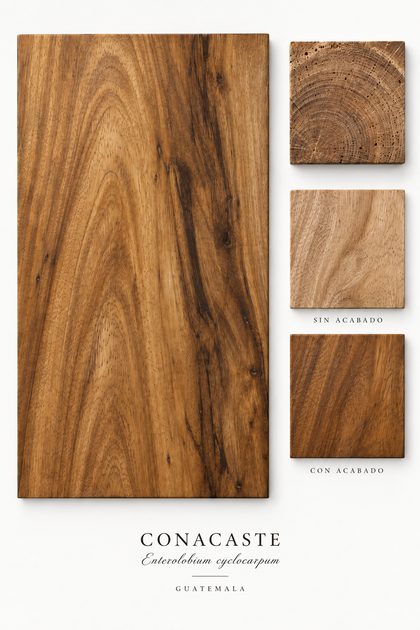
Demand got to the point where I needed to stop making every piece myself and stop relying on the university shop. I hired a carpenter, someone who built furniture but had never made a butcher block before, bought the hardwood myself and brought it to him, and walked him through how to build them. It worked out well, he picked it up and kept making them with us. The blocks weren't cheap: the amount of wood and the work in each one meant a real price, and people paid it.
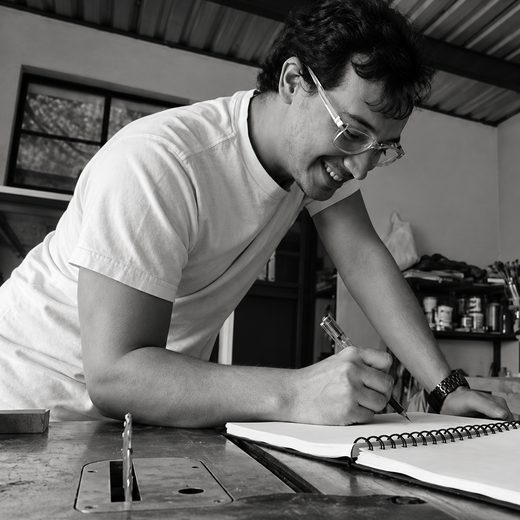
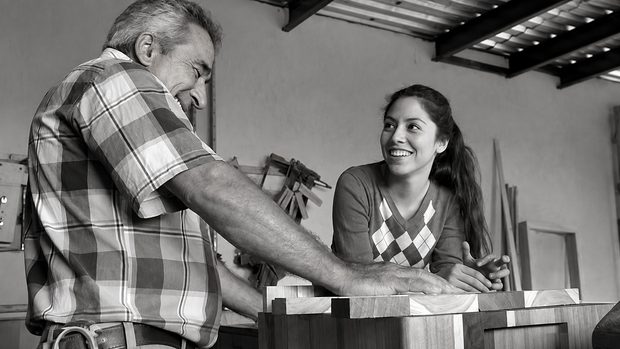
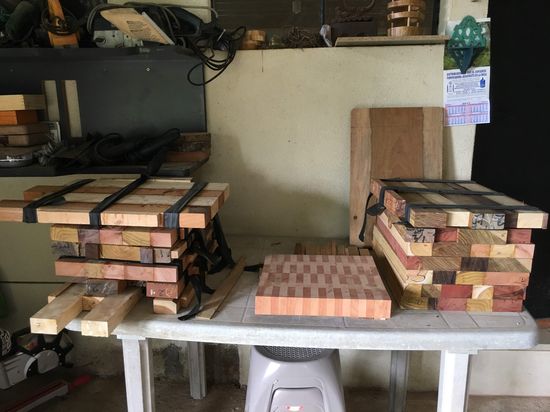
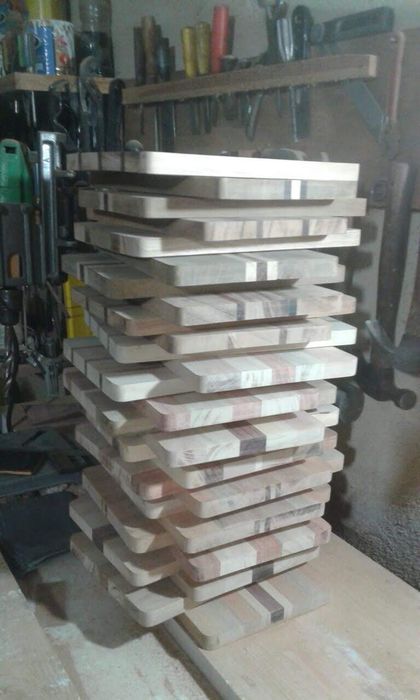
Across two batches we made roughly 40 butcher blocks, plus about 50 of the simpler cheese boards, and sold nearly all of it. Búho isn't running today, but it's where I first learned what it actually takes to design something, get it made at real quality, and sell it directly to people who wanted it.
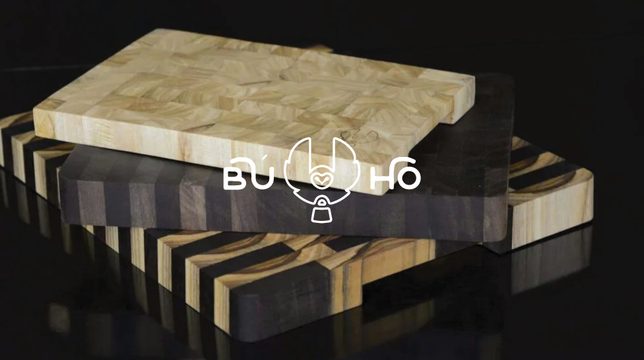
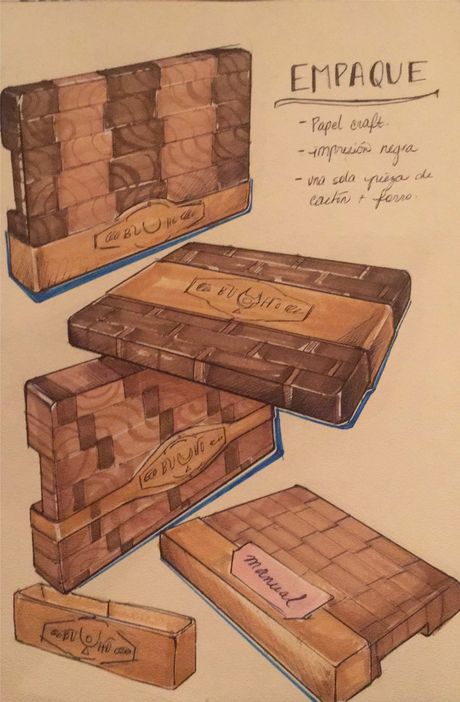
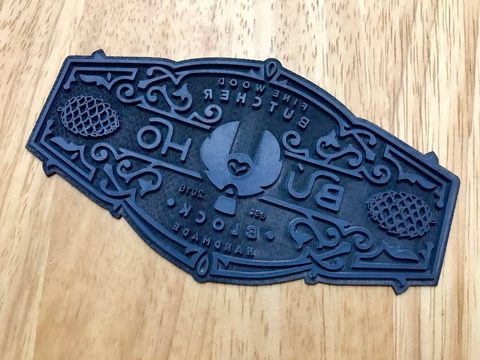
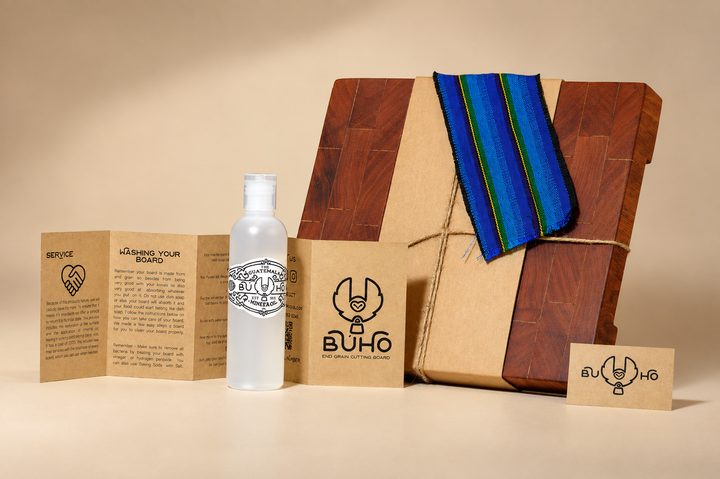
The product came with its own identity: a wordmark and an owl mark I designed together as a combined logo, a logo laser-engraved directly into each board, a rubber stamp used on the bags and packaging, a short manual on how to take care of the board, plus the Instagram and Facebook presence that carried most of the word of mouth.


A handful of the boards actually being used, cutting, serving, holding up to daily kitchen work rather than just sitting as objects.